

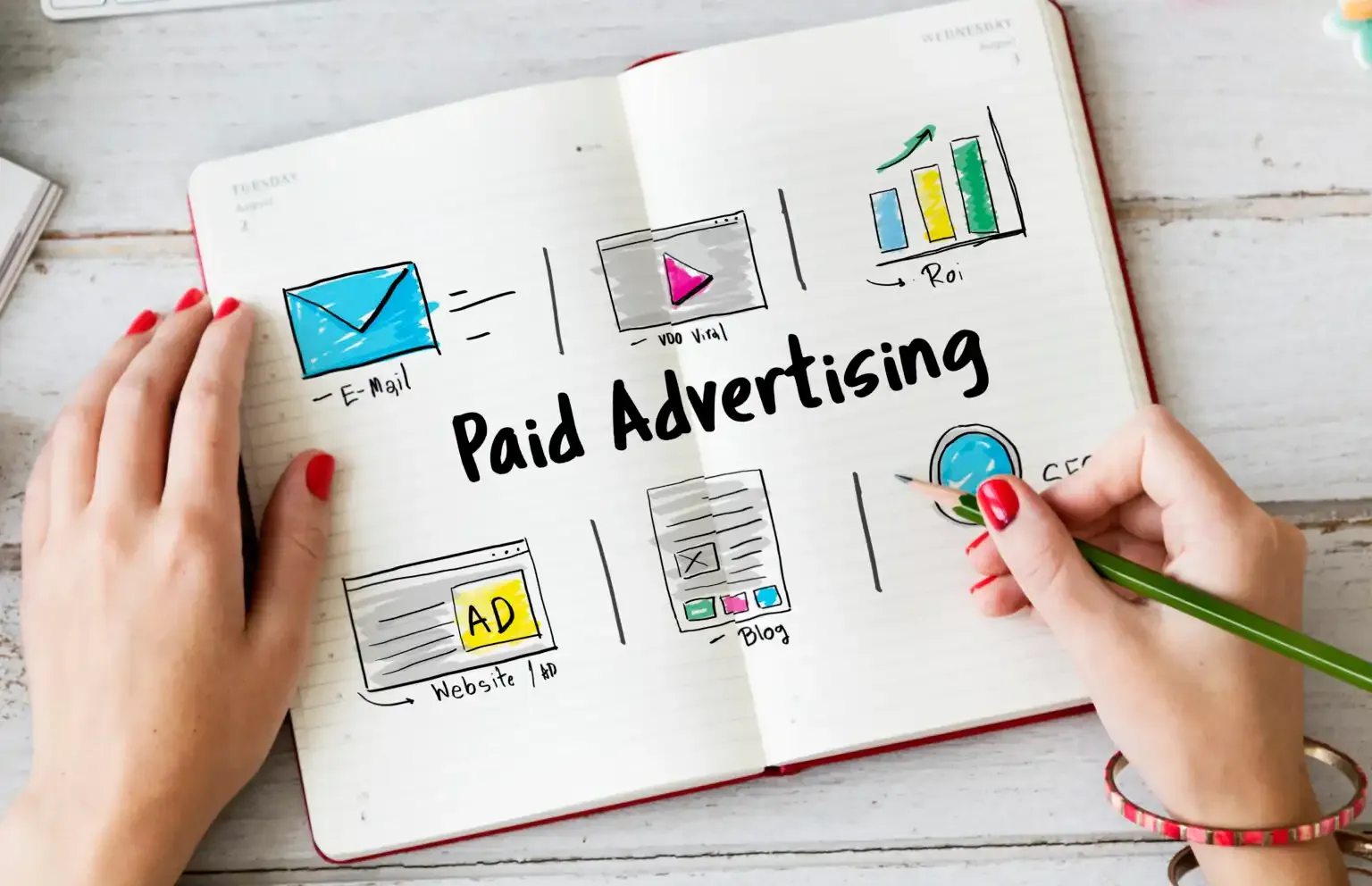
In the fast-paced world of digital marketing, selecting the right advertising platform is crucial for maximizing ROI. Google Ads vs Facebook remains a common debate, as both platforms offer distinct advantages. The ideal choice depends on your business objectives, target audience, and budget.
This article dives into a comprehensive comparison of Google Ads vs Facebook, helping you understand their strengths and differences. By the end, you’ll have the insights needed to decide whether Google Ads vs Facebook is the better fit for your marketing strategy.
1. Understanding Google Ads and Facebook Ads
Before diving into comparisons, let’s understand how each platform works.
Google Ads (Pay-Per-Click – PPC)
Google Ads operates on a pay-per-click (PPC) model, where advertisers bid on keywords to display their ads on Google’s search engine results pages (SERPs).
- Intent-driven advertising – Targets users actively searching for products or services.
- Types of Ads – Search ads, display ads, shopping ads, YouTube ads, and remarketing ads.
- Best for – Businesses that rely on search traffic and need quick conversions.
Facebook Ads (Social Media Advertising)
Facebook Ads focuses on social engagement and uses advanced audience targeting based on demographics, interests, and behaviors.
- Interest-based advertising – Targets users based on their online behavior and social interactions.
- Types of Ads – Image ads, video ads, carousel ads, story ads, and lead generation ads.
- Best for – Businesses looking to create brand awareness and engage with audiences.
2. Key Differences Between Google Ads and Facebook Ads
| Factor | Google Ads | Facebook Ads |
|---|---|---|
| Ad Placement | Search engine results, display network, YouTube | Facebook, Instagram, Messenger, Audience Network |
| User Intent | High (Users actively searching for solutions) | Low to Medium (Users engage with content passively) |
| Targeting Options | Keywords, location, demographics, device type | Interests, behaviors, demographics, lookalike audiences |
| Ad Formats | Text ads, image ads, video ads, shopping ads | Image ads, video ads, carousel ads, interactive stories |
| Cost Per Click (CPC) | Generally higher, especially for competitive industries | Generally lower, but varies by audience and industry |
| Best for | Direct response marketing, sales, lead generation | Brand awareness, engagement, audience building |
3. When to Choose Google Ads
Google Ads is ideal for businesses that want to capture high-intent leads and drive immediate conversions.
Google Ads is best for:
- Businesses with a strong search demand – If people are actively searching for your products or services, Google Ads helps you reach them instantly.
- E-commerce and local businesses – Shopping ads and location-based targeting improve visibility.
- Service-based industries – Law firms, real estate agencies, and medical services benefit from search-driven traffic.
- Higher conversion intent – Users clicking on Google Ads are often ready to make a purchase.
Example Use Case:
A law firm wants to attract potential clients looking for “best personal injury lawyer near me.” Google Ads ensures their ad appears at the top of search results, increasing visibility and leads.
4. When to Choose Facebook Ads
Facebook Ads work well for businesses that want to increase brand awareness, engagement, and long-term customer relationships.
Facebook Ads is best for:
- Businesses targeting specific demographics and interests – Great for lifestyle brands, fitness, fashion, and entertainment.
- New brands or products – Ideal for businesses introducing new offerings and building an audience.
- Engagement-driven marketing – Perfect for businesses that rely on community engagement, such as e-commerce and online courses.
- Retargeting potential customers – Facebook’s remarketing capabilities help re-engage past visitors.
Example Use Case:
A new skincare brand wants to reach women aged 25-40 who are interested in beauty products. Facebook Ads allow them to showcase visually appealing product ads and engage with potential customers through comments and shares.
5. Budget Considerations: Which Platform Offers Better ROI?
- Google Ads: Higher cost per click but higher conversion rates for high-intent searches.
- Facebook Ads: Lower cost per click but requires multiple touchpoints before conversion.
A hybrid strategy combining both platforms often yields the best results. Businesses can use Google Ads for lead generation and Facebook Ads for brand engagement and retargeting.
Conclusion
Both Google Ads and Facebook Ads are powerful tools, but their effectiveness depends on your marketing goals. If your focus is direct conversions and search-based traffic, Google Ads is the way to go. On the other hand, if you want to build brand awareness and engage with a specific audience, Facebook Ads are more effective.
To make the most of digital advertising, businesses should leverage both platforms strategically. Sprite Genix specializes in helping brands craft data-driven ad campaigns that maximize ROI and achieve sustainable growth.
Also Read-