

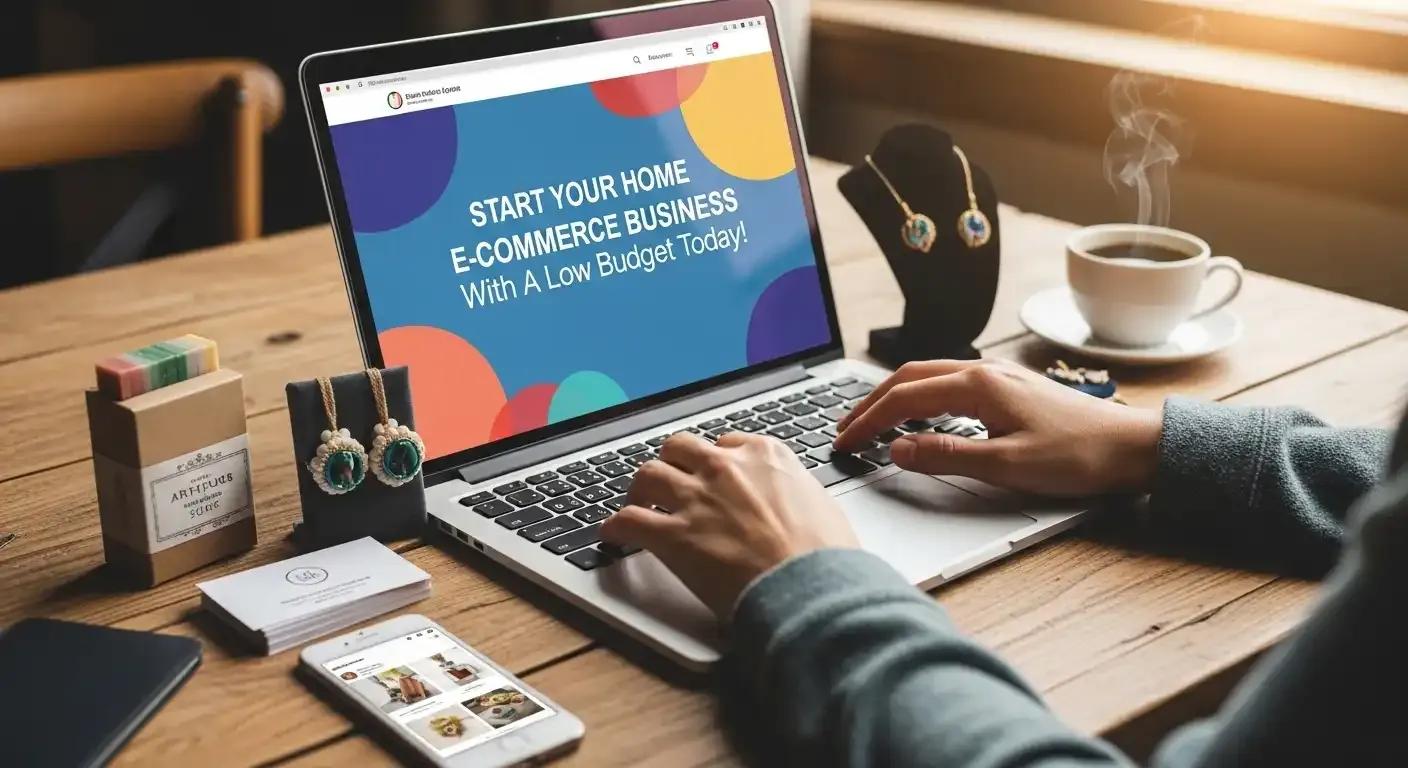
The digital landscape is evolving rapidly, and at Sprite Genix, we see countless entrepreneurs eager to carve out their own space in the market. A common misconception is that launching a digital storefront requires massive capital, a large warehouse, and a complex logistical network. However, it is entirely possible to start an e-commerce business from home with a low budget—even as little as ₹50,000.
Whether you are a seasoned professional looking for a side hustle or a beginner ready to dive into the world of digital sales, this guide will provide a practical, data-driven roadmap to build a profitable online business right from your living room.
Selecting the Best Platforms for E-commerce Growth
When you decide to start an online business, your first major decision is choosing where to sell. You have multiple highly effective avenues available that do not require physical retail space. You can build your own dedicated e-commerce website, create an engaging Instagram page, or host live sales sessions directly on Facebook.
Alternatively, leveraging established marketplaces is one of the most reliable ways to accelerate your e-commerce growth. You can easily list and sell your products on major platforms like Amazon, Flipkart, and Meesho. To ensure you do not waste time and resources, it is strongly advised to stick to these proven channels rather than experimenting with complex, unverified business models.
Winning Product Selection Criteria
Your product is the heart of your online business. When you operate from home, storage and shipping logistics must be kept as simple as possible. To ensure a smooth launch, your first products should meet these strict criteria:
• Lightweight: Aim for products that weigh under 500 grams, as this will drastically reduce your shipping and handling costs.
• Zero Variations: Avoid selling items that require multiple sizes or colors—such as certain types of apparel—because variations complicate inventory management.
• High Durability: Do not sell fragile items; goods that can easily break during transit will lead to high return rates and losses.
• Daily Utility: Focus on daily-use products that customers rely on regularly, as these naturally generate consistent demand.
Mandatory Legal Requirements and Documentation
Compliance is critical to the longevity of your online business. Many beginners make the mistake of overlooking the legal framework, which can lead to severe bottlenecks.
The Importance of GST Registration To legally sell products across state borders, a GST certificate is mandatory. While some platforms, such as Meesho, might permit you to sell strictly within your own state without a GST number, this severely limits your customer base and hinders your e-commerce growth. Furthermore, if you start without GST and upgrade later, you will be forced to close your existing seller account and start from scratch with a new one. You can easily obtain a GST number by consulting a local Chartered Accountant (CA) or a dedicated GST consultant for a nominal fee.
Banking and Financial Setup Never run your online business using a personal savings account. Processing high volumes of commercial transactions through a savings account violates banking policies, giving banks the authority to freeze your funds entirely. Instead, you must open a dedicated Current Bank Account. You will typically need to maintain a minimum balance of ₹10,000 in this account, which remains your money but serves as a mandatory buffer for the bank.
Additionally, you will need a PAN card, a dedicated email ID, and a registered mobile number to successfully complete your seller registration on any marketplace.
Proven Product Research Strategies
To start an e-commerce business from home successfully, you must base your inventory decisions on real data rather than guesswork.
• Free Research Methods: You can utilize free resources like Amazon’s "Movers and Shakers" page to identify newly launched and highly trending products in real-time.
• Paid Analytics Tools: If you have a small budget allocated for software, investing in specialized product research tools like AMZScout or Jungle Scout can provide deep market insights.
• Sourcing Products: Once you identify a profitable niche, use B2B directories like IndiaMART to connect directly with manufacturers, request samples, and place bulk orders.
Essential Equipment for a Home Setup
You do not need a flashy office to run a profitable online business. Keep your initial equipment lean to save capital. A budget-friendly desktop or even a second-hand laptop is perfect for managing your seller dashboards. You will also need a smartphone and a reliable internet connection—even a mobile hotspot is sufficient in the beginning.
When it comes to printing shipping labels, avoid buying specialized barcode printers. Instead, invest in a standard, durable laser printer. A laser printer is far more versatile, allowing you to print standard A4 documents as well as up to four shipping labels on a single page seamlessly.
Packaging, Logistics, and Order Fulfillment
Sourcing Packaging Materials You can easily purchase essential packaging materials, including corrugated boxes, tape, and polybags, directly from the websites of Amazon, Flipkart, or Meesho, or from local wholesale markets. Keep marketplace rules in mind: Amazon allows sellers to use their own branded or generic polybags, whereas Flipkart and Meesho mandate the use of their specifically branded packaging materials.
Processing Your First Order When an order arrives on your seller dashboard, the fulfillment process is incredibly straightforward. Simply download the order receipt provided by the platform, print it out, and attach the shipping label securely to your packaged product.
Shipping Logistics and Costs You do not have to worry about delivering the items yourself. The marketplaces collaborate with logistics partners—such as Amazon Transportation Services (ATS), EKT for Flipkart, and Valmo for Meesho—who will dispatch an executive to pick up the package directly from your home address. If your product weighs under 500 grams, the delivery cost charged to you will generally fall between ₹70 and ₹80. However, you must be prepared for returns; if a customer rejects or returns an item, the seller is responsible for bearing the return shipping fees.
Managing Cash Flow and Continuous Learning
Healthy cash flow is vital for sustainable e-commerce growth. When you link your current account to the marketplaces, your payments are automatically processed on a set cycle. Amazon and Meesho generally disburse seller payments within 7 days, while Flipkart typically processes payments within 7 to 10 days.
Finally, never stop learning. Before spending heavily, take advantage of free educational content on YouTube to master listing products, managing accounts, and understanding the e-commerce ecosystem. As your business matures, you might consider investing in paid courses that provide API-fetched trending product lists and monthly live Q&A sessions to further sharpen your skills.
FAQs
1. Do I need a GST number to start an e-commerce business from home?
Yes, a GST certificate is highly recommended and mandatory if you plan to sell and ship your products across different state borders. While limited intra-state selling is sometimes permitted without it, getting a GST number prevents account restrictions and ensures unrestricted business growth.
2. Can I use my personal savings account for my online business?
No, it is strongly advised not to use a savings account for e-commerce transactions. Processing high volumes of business payments through a savings account can result in the bank freezing your funds; always use a dedicated Current Account.
3. How much does it cost to ship a product to a customer?
If you carefully select products weighing under 500 grams, the standard shipping fees processed through marketplace courier partners typically range between ₹70 and ₹80 per delivery.
4. What kind of printer should I buy for printing shipping labels?
You should invest in a standard laser printer rather than a specialized barcode label printer. A laser printer is more versatile, allowing you to print regular A4 documents and fit up to four shipping labels on a single sheet of paper.
5. How long does it take for e-commerce platforms to pay sellers?
Once your current account is linked, major platforms remit payments relatively quickly. Amazon and Meesho usually process seller payments within 7 days, while Flipkart's payment cycle takes about 7 to 10 days.
Ready to take your online business to the next level? At Sprite Genix, we specialize in cutting-edge digital marketing, technical SEO, and custom web development strategies guaranteed to skyrocket your brand visibility. Whether you need a high-converting dedicated e-commerce website or an aggressive search engine optimization campaign to outrank your competitors, our expert team has the tools to make it happen. Contact Sprite Genix today and let’s engineer your digital success!
Category: E-commerce Growth